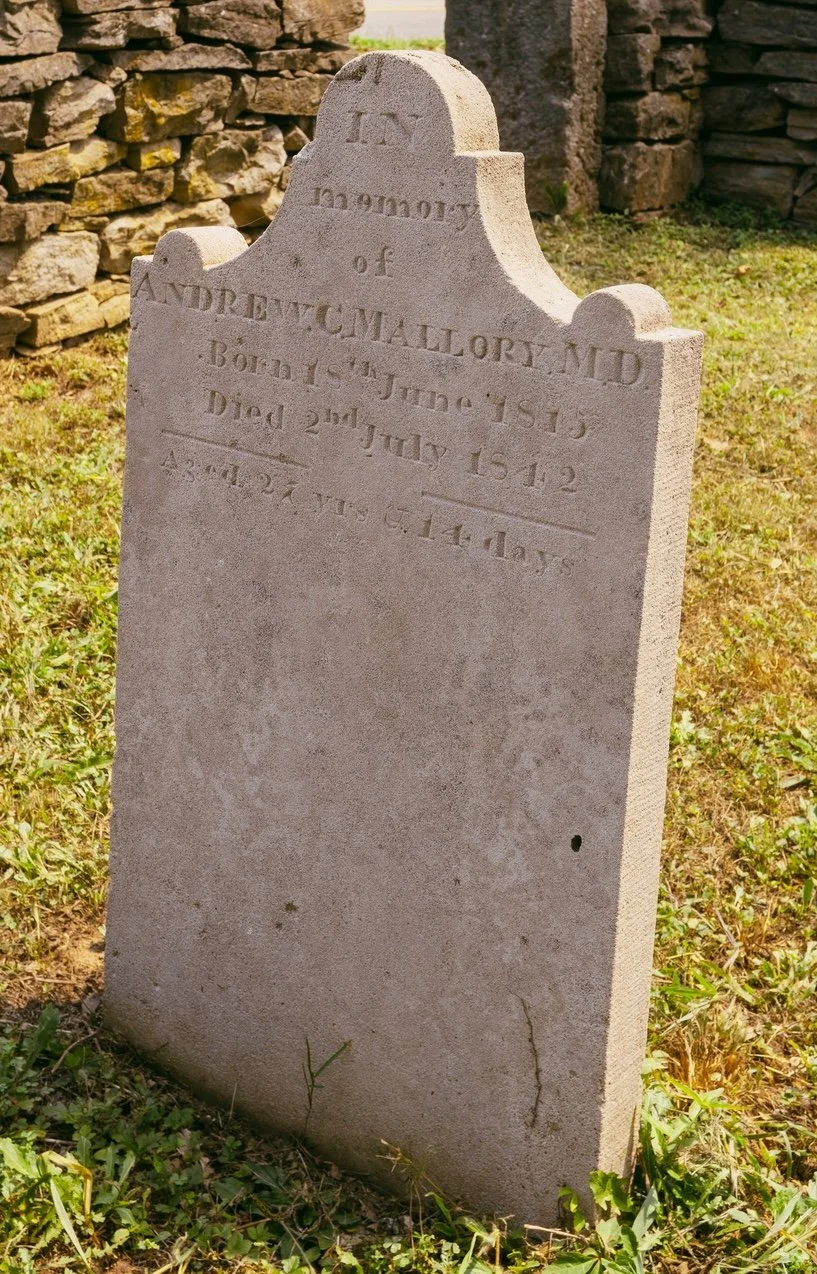
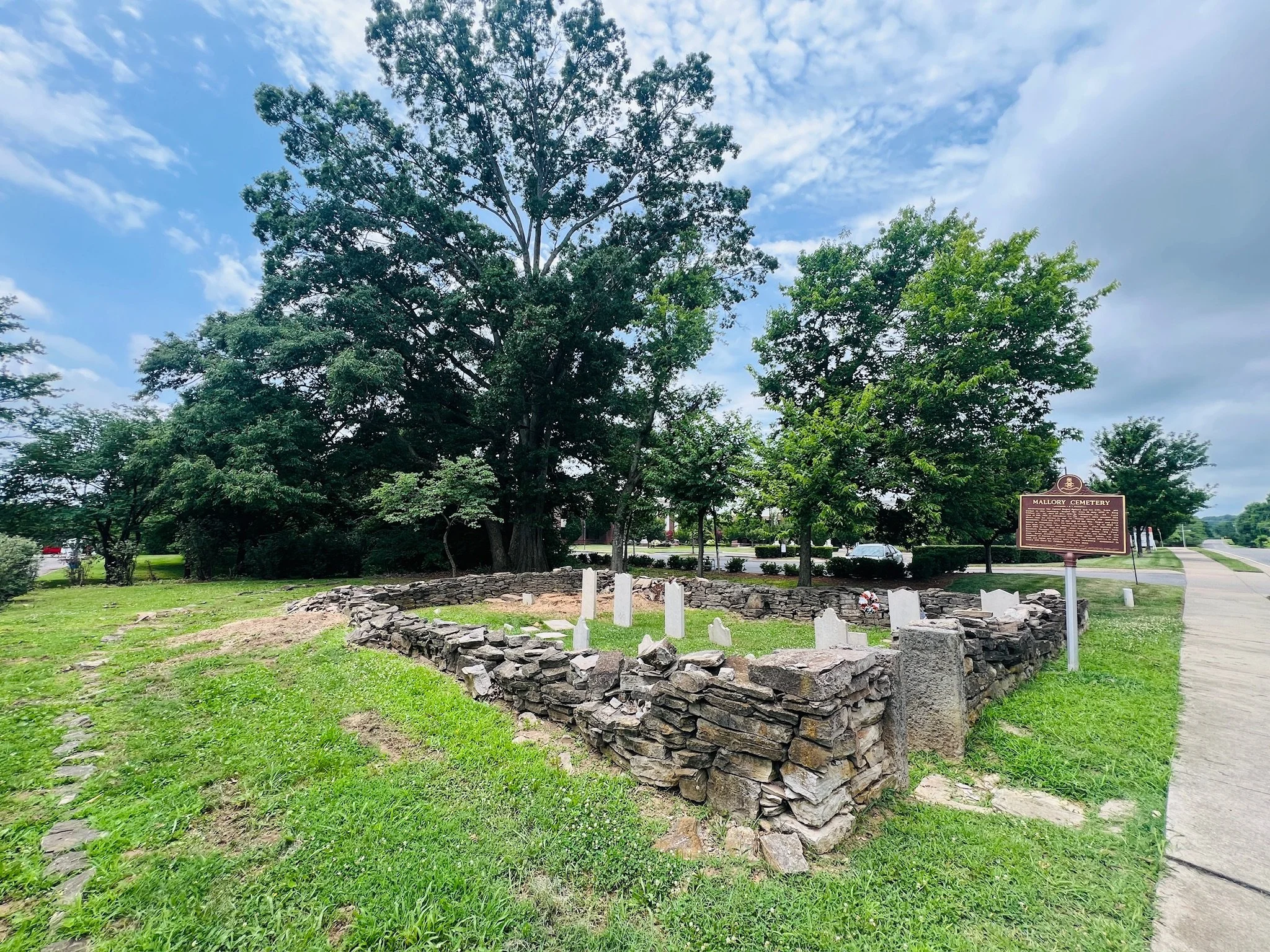
From Overgrown to Overseen: How Mallory Cemetery Found Its Answer
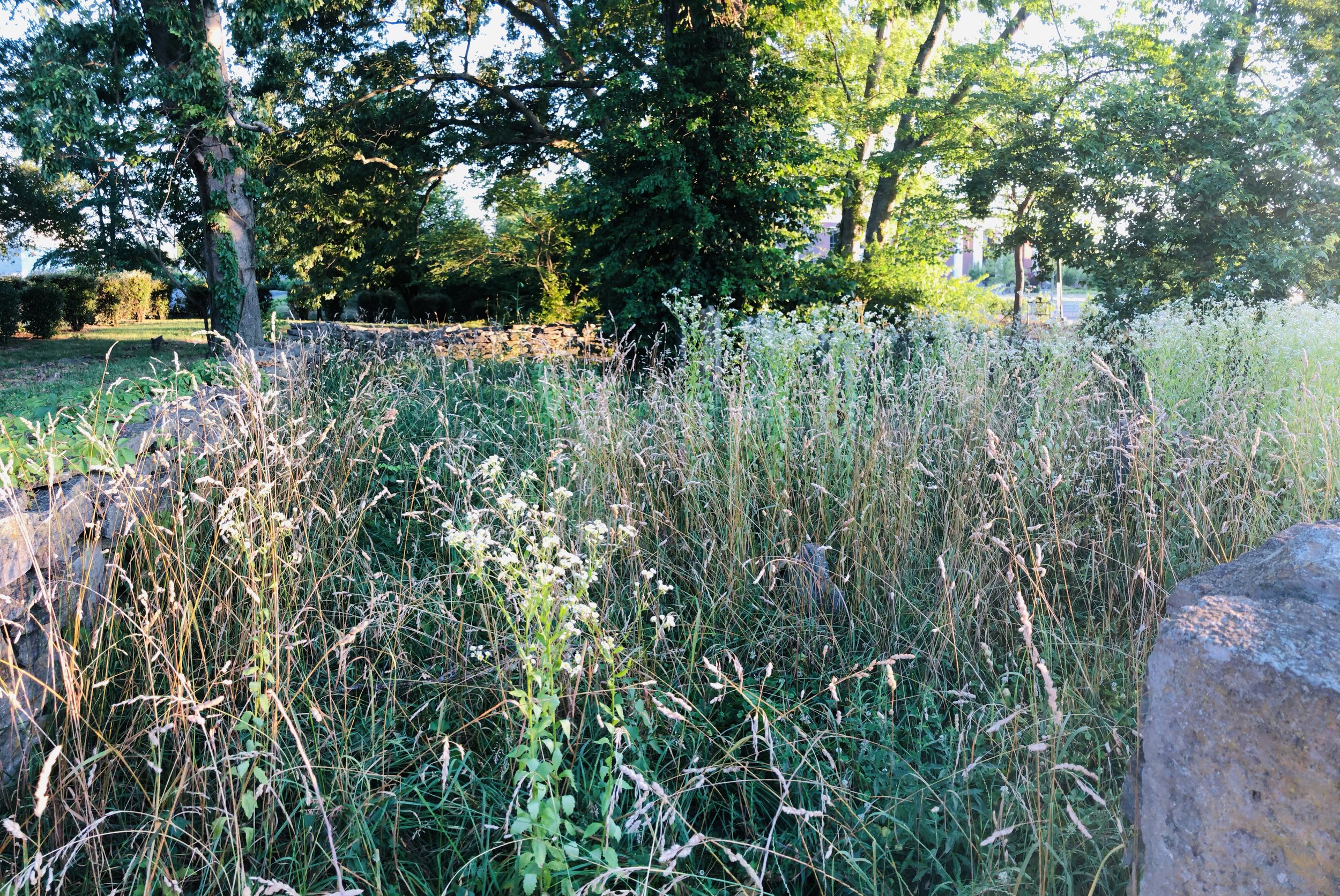
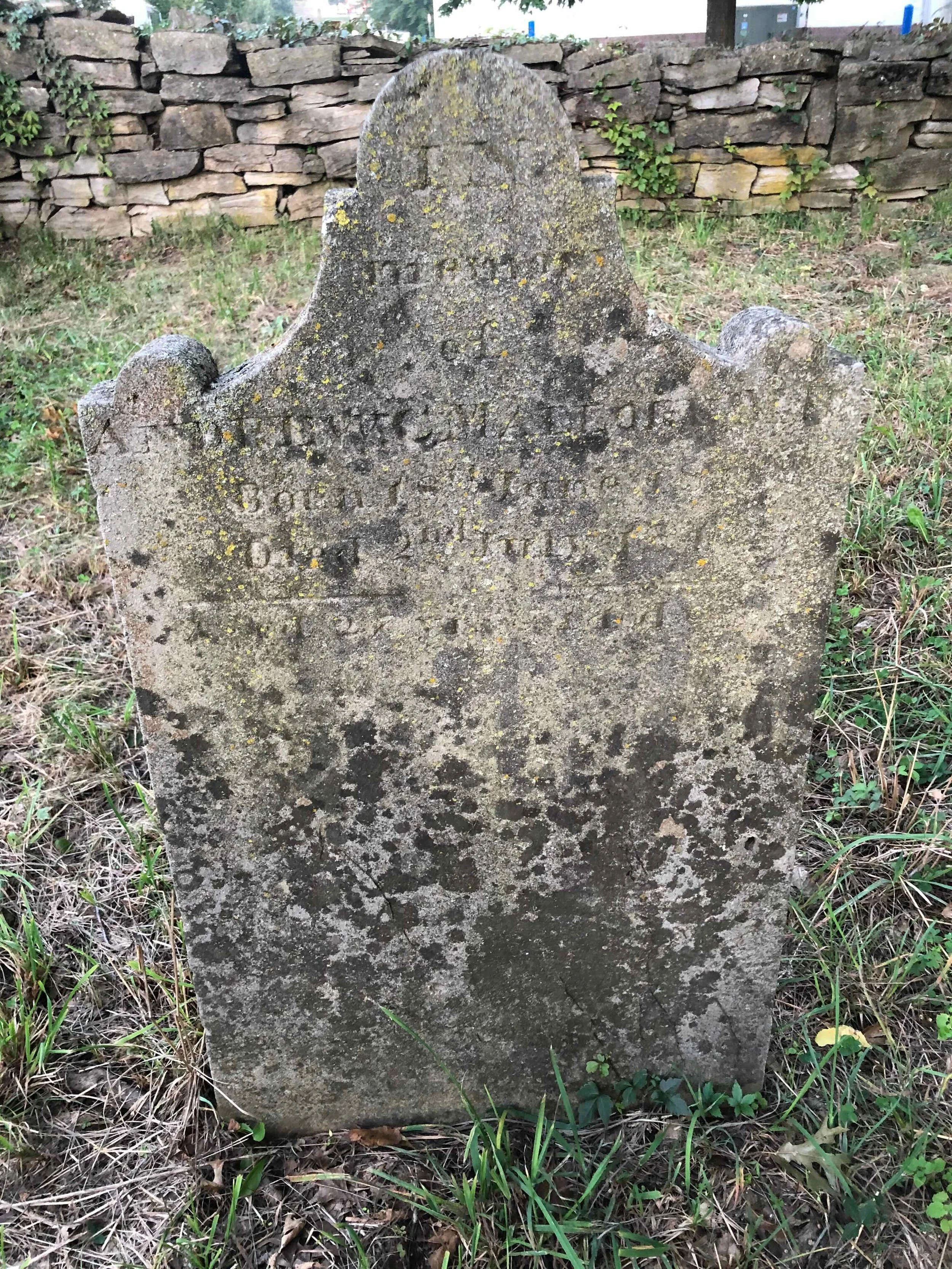
When I first visited Mallory Cemetery in the summer of 2020, it was hard to tell it was a cemetery, aside from the sign. Weeds swallowed the area inside the cemetery walls and towered above the headstones. I felt called to action that day and started doing what I could. Weed eating and cleaning headstones became my passion project.
Reaching a dead end
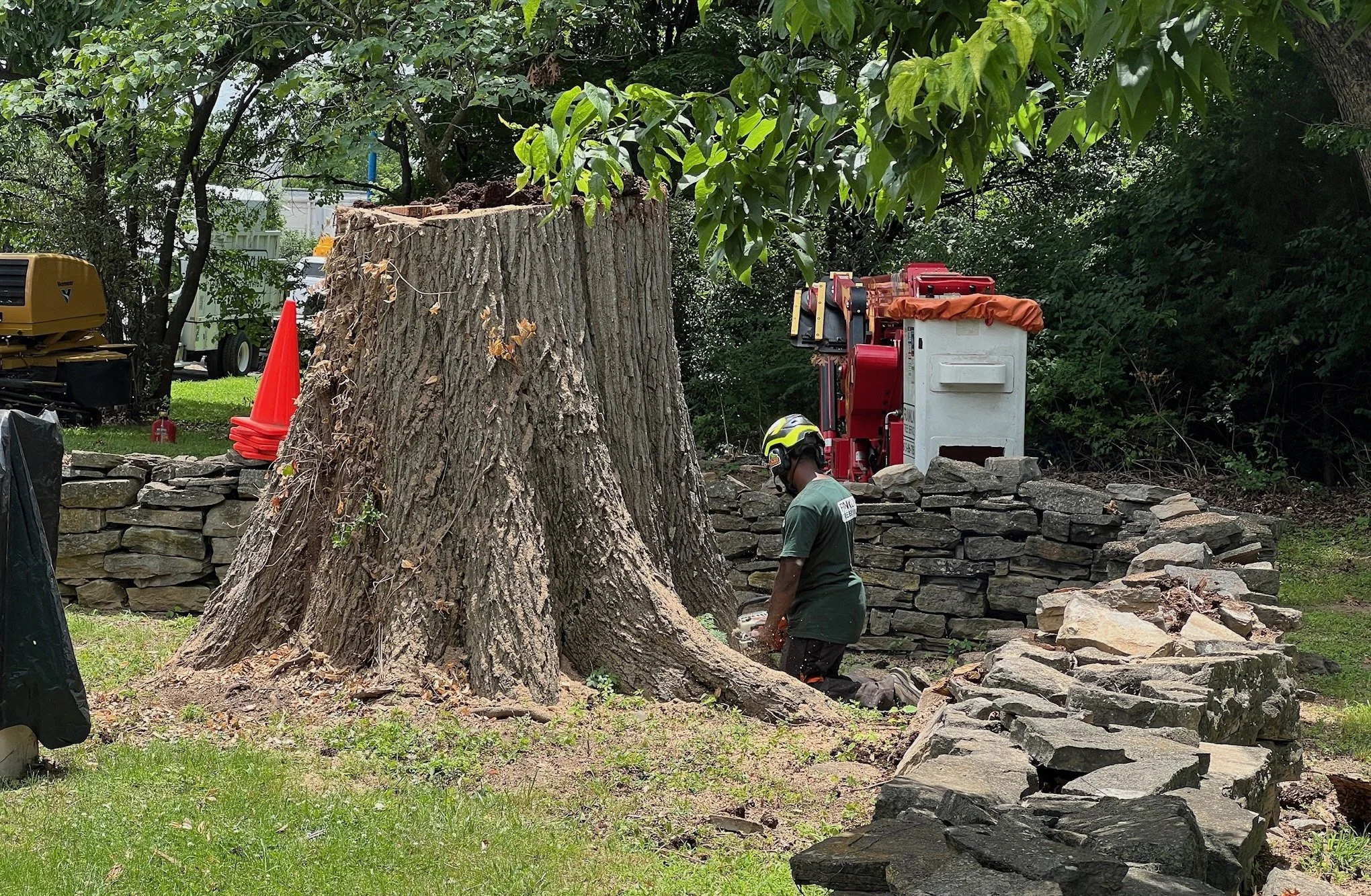
Four years later, the problem outgrew what one person with a weed eater could fix. Large limbs from the Oak tree began to fall, landing on the fragile, nearly 200-year-old, dry-stacked stone walls and some of the headstones. I reached out to the City of Franklin for help, hopeful that a city with clear pride in its history would step in.
The answer, at the time, was no. Mallory Cemetery sat in a commercial area and the city's hands were tied. They suggested I reach out to the property owner. However, the property owner listed on the tax record was Cemetery Mallory.
The legal breakthrough
Earlier this year, that answer changed. The city's legal team located court case No. 08021, City of Franklin, Tennessee v. The Unknown Heirs of John Mallory and Williamson County, Tennessee. Digging into the eminent domain case, initially filed in 2008, revealed a final judgment issued in 2012. This judgment led to the city compensating an heir of John Mallory. In return, the city took the property and secured a permanent right-of-way in connection with a road improvement project.
That judgment meant something important, the land was no longer sitting in a legal gray area. The city had a documented, court-recognized interest in the property.
What this means going forward
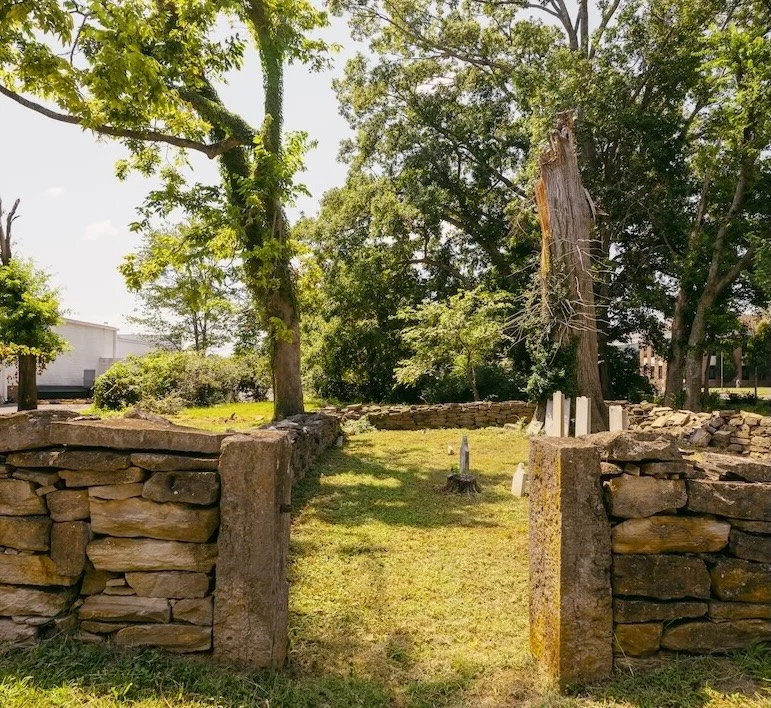
As a direct result, the City of Franklin has agreed to mow, trim and maintain the trees and bushes surrounding the cemetery. For a cemetery that has survived on the sweat equity of volunteers for years, this is a milestone worth celebrating.
It's not the finish line. Headstone repairs, wall restoration and the deeper preservation work Mallory Cemetery still needs remain in our hands. But knowing the grounds will be kept clear frees us to focus on the parts of this work that matter most, honoring the people buried here.
What this means for the Mallory family
None of this changes anything for relatives of the people buried at Mallory Cemetery. Tennessee law has long protected the rights of families to their ancestors' graves, regardless of who holds title to the surrounding land. In the 1911 case Hines v. State, the Tennessee Supreme Court held that once land is set apart and used as a family burial ground, it is held "in trust" for that purpose and family members have a perpetual right to visit, maintain and protect those graves, including reasonable access from the nearest public road. That right doesn't expire and it isn't affected by a right-of-way, a change in ownership or a partnership agreement with the city.
If you are related or a descendant of anyone resting at Mallory Cemetery, you are always welcome on these grounds and we'd love to connect with you.
Six years after my first visit to the overgrown burial ground, Mallory Cemetery has institutional backing behind it. That’s worth sharing with everyone who has followed this journey so far.